-
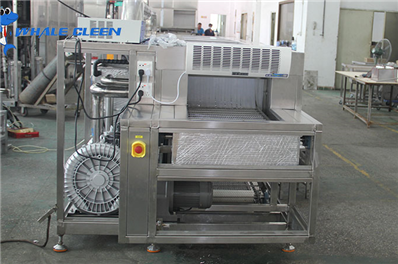 Ultrasonic Cleaner: Ensuring the Pristine State of Precision Instruments
In the manufacturing and use of precision instruments, the surfaces often accumulate various contaminants such as grease, dust, and chemical residues. These impurities not only affect the accuracy and performance of the instruments but may also lead to eq
-
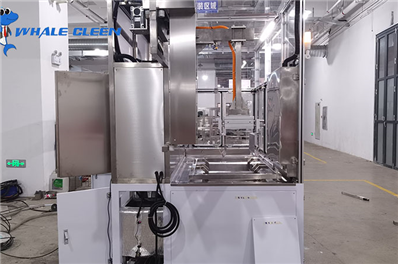 What is a Nano Ultrasonic Cleaning Machine? An In-depth Overview
1. Introduction Ultrasonic cleaning technology has been widely used in various industries for cleaning delicate and complex parts. From jewelry and precision instruments to medical devices and automotive components, ultrasonic cleaners offer high effic
-
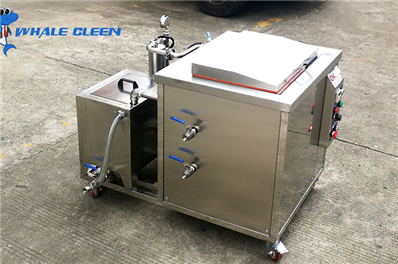 Ultrasonic Cleaning Equipment: The Preferred Tool for Precision Instrument Cleaning
Precision instruments, such as medical devices, laboratory equipment, and delicate electronic components, require meticulous cleaning to maintain their functionality and accuracy. These instruments are often made from sensitive materials and feature intri
-
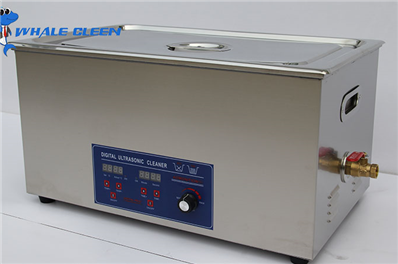 Precision Cleaning Revolution: Unveiling the High Performance of Ultrasonic Cleaning Machines
In the realm of precision manufacturing, the meticulous cleaning of components stands as a pivotal step in ensuring product performance and reliability. Ultrasonic cleaning machines, as an advanced cleaning technology, offer a new perspective in precision
-
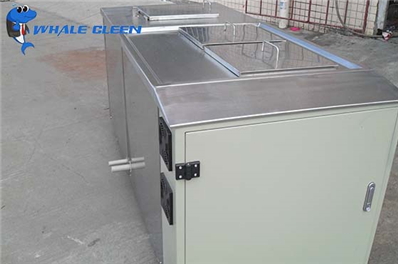 Why Do Ultrasonic Cleaners Use 28kHz Frequency? The Science Behind the Power Setting
When shopping for an ultrasonic cleaner, you'll quickly encounter a key specification: frequency. Among the most common options is28kHz. This number isn't arbitrary; it represents a deliberate engineering choice that makes this frequency a powerho
-
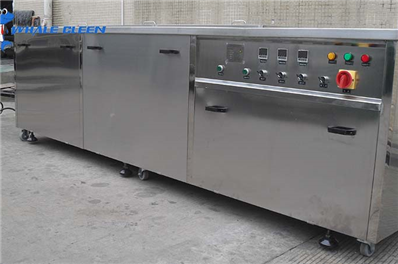 Why Do Ultrasonic Cleaners Have Multiple Cleaning Stages? The Science Behind the Process
Ultrasonic cleaners are widely used in industries such as manufacturing, healthcare, jewelry, and automotive for their ability to clean intricate items with precision. However, many users wonder why these machines often involve multiple cleaning stages in
-
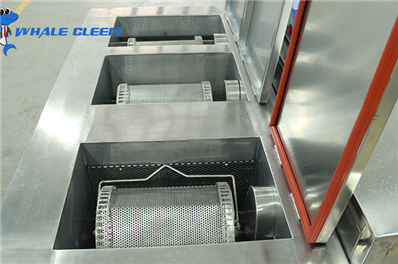 What Should Not Be Cleaned with an Ultrasonic Cleaner: Key Considerations and Restrictions
Ultrasonic cleaning is a powerful and efficient cleaning technique that uses high-frequency sound waves (typically 20-40 kHz) to create microscopic bubbles in a cleaning liquid. These bubbles form and collapse rapidly, a process known as cavitation, which
-
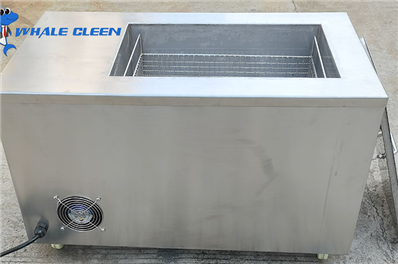 The Pinnacle of Cleaning Technology: Ultrasonic Cleaning Machines
Cleaning is an essential process across industries, from manufacturing and healthcare to laboratories and daily household maintenance. Among the plethora of cleaning technologies available today, ultrasonic cleaning machines stand out as a revolutionary s
-
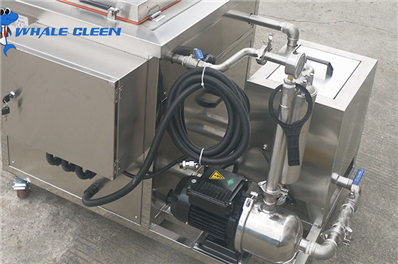 How Ultrasonic Cleaners Enhance the Longevity of Industrial Equipment
Introduction In modern industrial environments, machinery and equipment often operate under demanding conditions, which can lead to wear, corrosion, and the accumulation of debris or contaminants. One of the most effective ways to maintain the longevit
-
 The Industrial Cleaning Powerhouse: Ultrasonic Cleaning Machines
Introduction Ultrasonic cleaning machines have emerged as essential tools in various industrial cleaning processes. Utilizing high-frequency sound waves to agitate a fluid, these machines generate microscopic bubbles that effectively remove contaminant
-
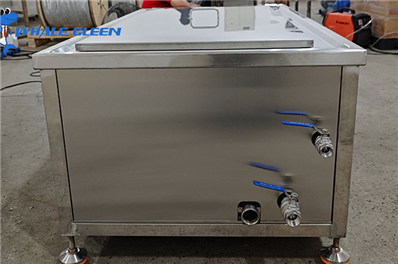 The New Trend in the Cleaning Industry: Ultrasonic Cleaning Technology
In recent years, ultrasonic cleaning has emerged as a cutting-edge solution for various industries, transforming the way cleaning is done, from industrial machinery to delicate instruments. The ultrasonic cleaning machine, utilizing high-frequency sound w
-
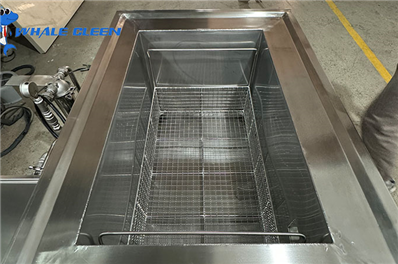 The Apex of Clean Tech: Ultrasonic Cleaners and Their Unmatched Hygiene Safety
In an era where hygiene and cleanliness have become paramount across industries, from healthcare to manufacturing, ensuring impeccable cleaning standards is crucial for both safety and performance. Ultrasonic cleaners have emerged as one of the most advan